We can't find the internet
Attempting to reconnect

How to Get Your First 10 Online Clients
The hardest part of building an online personal training business is not the coaching itself — it is getting the first clients. Most trainers leaving gym jobs or going independent for the first time have excellent coaching skills and zero marketing experience. The good news is that getting your first ten clients does not require a large following, a professional website, or paid advertising. It requires doing a small number of things well and consistently.
1. Start With the People Who Already Trust You
Your first clients are almost certainly not going to come from Instagram. They are going to come from people who already know you — former clients from gym work, friends who have seen you train, colleagues from fitness events, people in your personal network who know you are a trainer.
Create of a Potential Clients' List Client
Make a list of every person who has ever expressed interest in training with you or asked for fitness advice. Message them directly — not with a pitch, but with an update: you are now taking online clients and you have a couple of spots available. Be specific about what you do and who you help. Some of these conversations will go nowhere. A few will turn into clients.
This is not glamorous and it does not scale, but it works. Almost every successful online trainer's first five clients came from direct outreach to warm contacts.
2. Get Specific About Who You Help
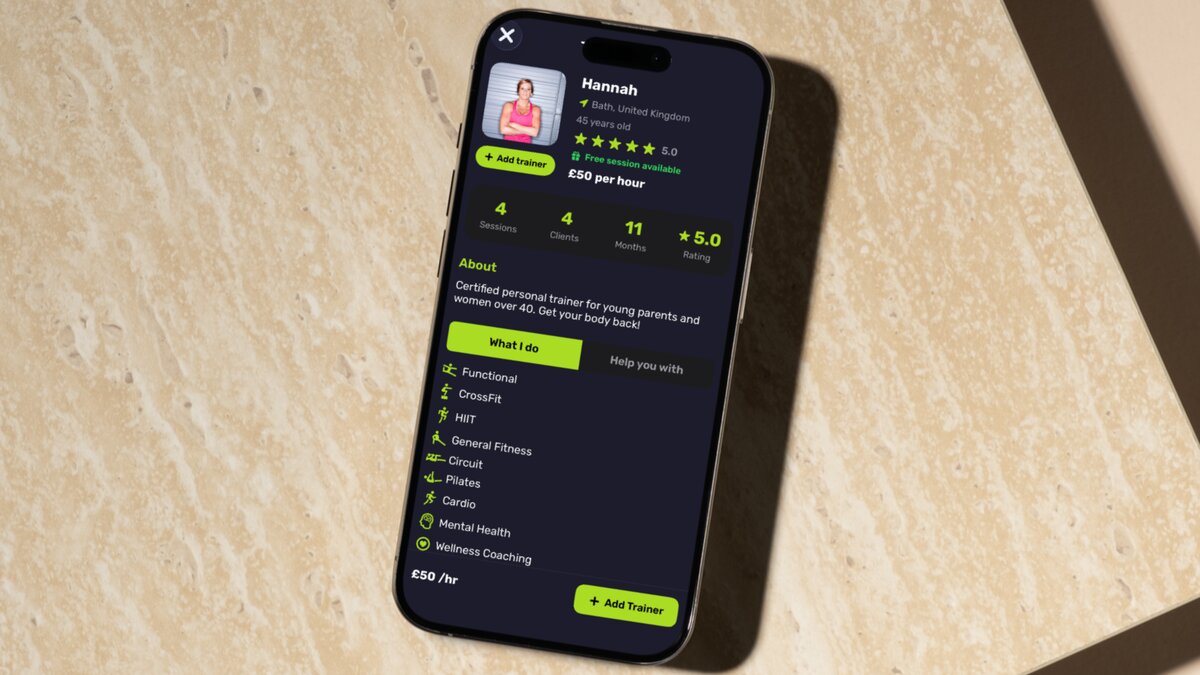
The most common mistake new online trainers make is positioning themselves as a generic personal trainer who works with everyone. This is the hardest possible market position. There are thousands of generic personal trainers. There are very few specialists.
Choose Your Niche
Pick a niche — a specific type of person with a specific type of goal.
Women in their 40s who want to build strength without a gym. Men recovering from back injuries who want to return to sport. Runners who want to get faster without getting injured. Busy parents who need 30-minute sessions that fit around childcare.
When you are specific, two things happen. First, the people who match your niche immediately feel like you are talking directly to them — and they are far more likely to enquire. Second, you become referable. A generic trainer is hard to recommend to a friend. A trainer who specialises in postnatal fitness is very easy to recommend to someone who has just had a baby.
3. Create a Clear, Simple Offer
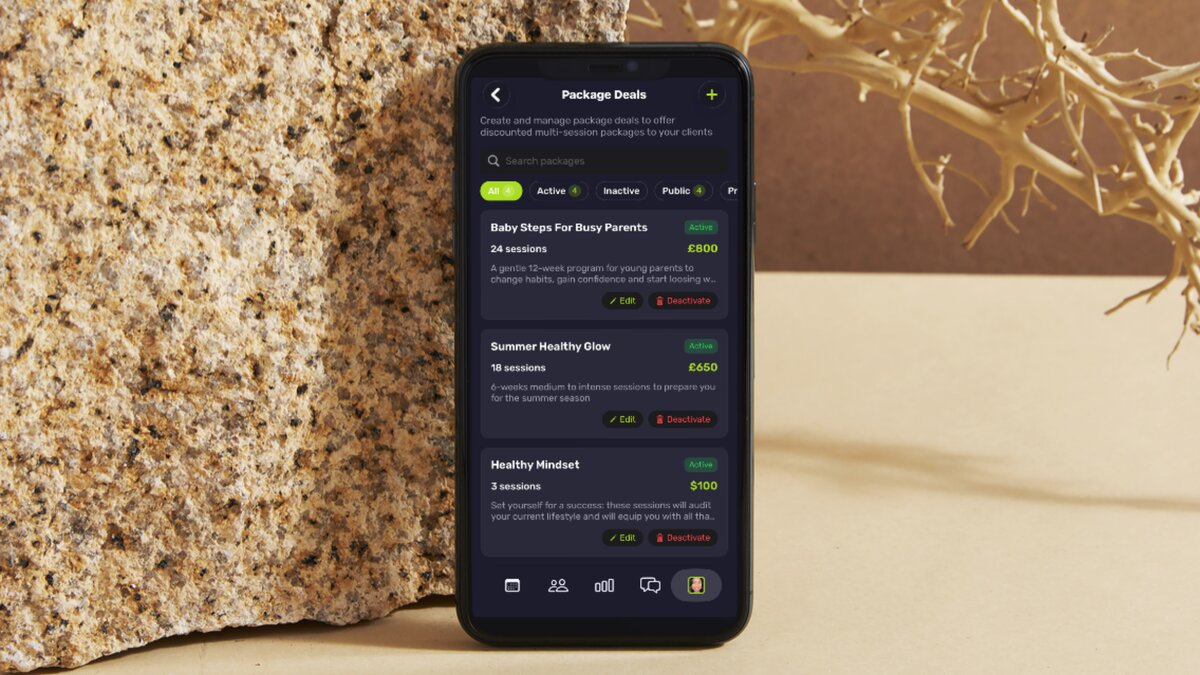
You need to be able to explain what you offer in two sentences. Who do you work with, what do you help them achieve, and how? If it takes you a paragraph to explain your offer, it is not clear enough yet.
You also need a frictionless way for interested people to take the next step — ideally an online booking link for a free discovery call rather than an email address or a request to send a DM. Every extra step in the process loses people. A direct link to a 20-minute call removes most of the friction.
4. Use Social Proof From Day One
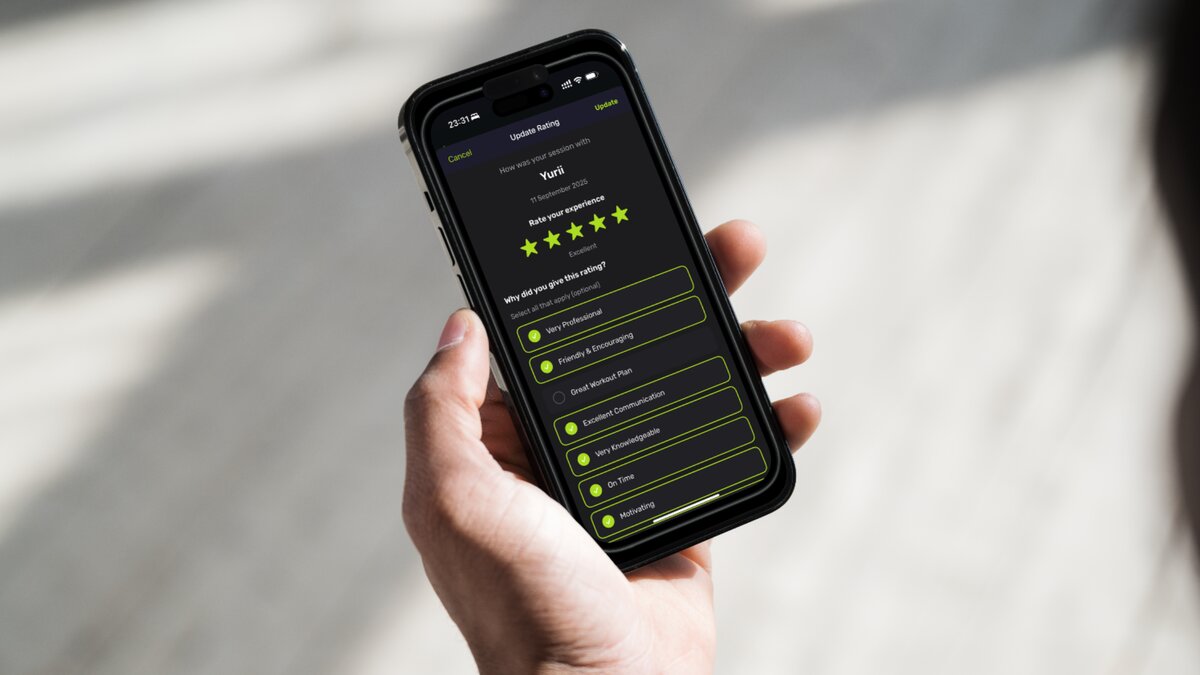
Social proof does not only mean client testimonials. It includes before-and-after results from your own training journey, screenshots of positive feedback from people you have helped informally, videos demonstrating your knowledge and coaching cues, and clear articulation of your qualifications and experience.
If you have done any unpaid coaching — friends, family, training partners — ask them for a short written testimonial. If you have helped someone make a positive change, that is a legitimate result you can share with their permission.
5. Post Content That Speaks to Your Niche
You do not need a large following to convert social content into clients. You need the right audience seeing relevant content consistently. Post content that addresses the specific questions and concerns of the type of person you want to work with.
If you specialise in strength training for women over 40, write posts and short videos about exactly that: the specific training adaptations relevant to that age group, the most common mistakes, how to manage hormonal changes in programming, what realistic progress looks like. People searching for this content are the exact people who might become your clients.
Consistency matters more than quality at this stage. Three posts a week that are honest and useful will outperform one highly polished post a fortnight.
6. Offer an Introductory Session
For your first handful of clients, consider offering a free discovery session or a significantly discounted introductory package. The goal is not revenue — it is testimonials, referrals, and proof of concept.
A client who pays full price from day one and leaves after two months is worth less than a client who starts on a discounted package, gets great results, leaves you a glowing testimonial, and refers two friends. In the early stages, reputation is more valuable than margin.
7. Ask Every Satisfied Client for a Referral Client

Most trainers wait for referrals to happen naturally. The most effective approach is to ask directly: if a client is happy with their results after six weeks, tell them you have a couple of spots available and ask if they know anyone who might be a good fit. Make it easy — give them a referral link or a simple message they can forward.
Referral-based clients convert at a significantly higher rate than cold enquiries and tend to stay longer. A single active client who refers two people is more valuable to your business than a dozen followers who never enquire.
8. Get Listed Where Clients Are Searching Client
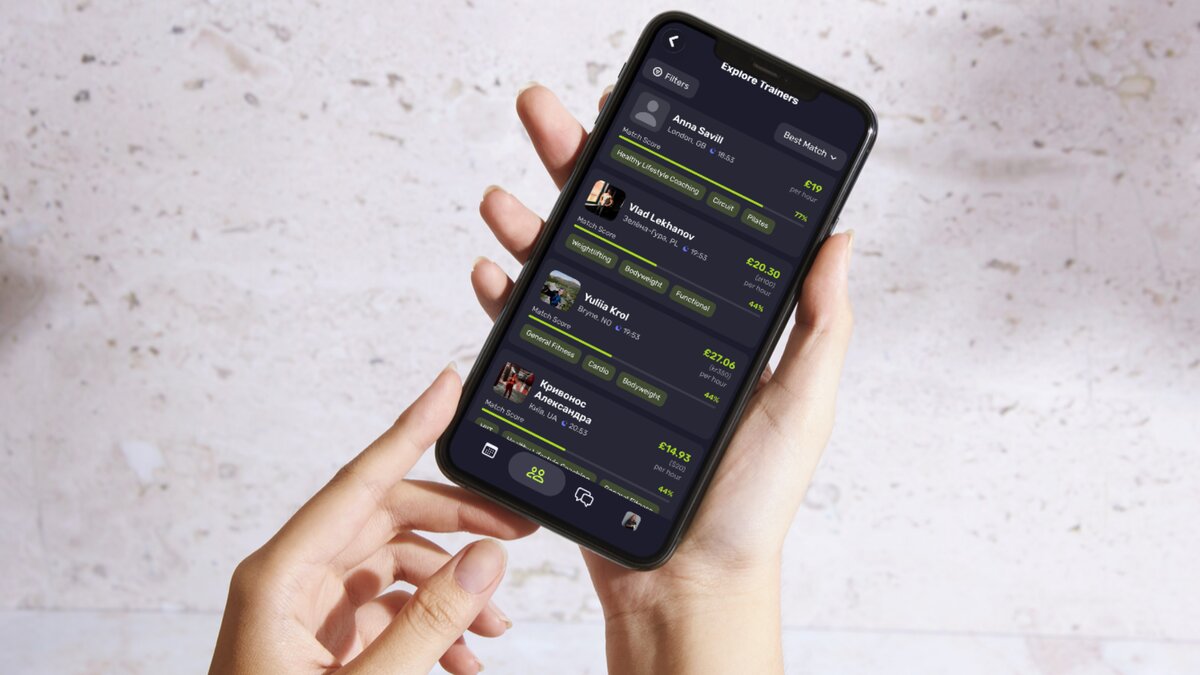
Search-based discovery — where a potential client searches for a trainer in their area or with a specific specialism — is one of the highest-converting acquisition channels available to personal trainers. Unlike social media, where you are interrupting someone's scroll, search puts you in front of people who are actively looking for what you offer.
A complete, well-written profile on a marketplace platform where clients can browse and book is the simplest way to appear in front of warm leads without any additional marketing effort.
Getting your first ten clients takes longer than most people expect and goes differently than most people plan. The trainers who succeed are the ones who do the unglamorous work — the direct messages, the follow-ups, the free calls, the consistent content — while they build momentum. The tenth client is usually much easier to acquire than the first.
Share this article
In this article
Tags
⚡ For Trainers
Start taking live sessions — with zero monthly fees.
- ✓ Set your own rates
- ✓ Clients book & pay instantly
- ✓ £0 platform subscription
- ✓ 100+ countries
No credit card required to get started.
Become a Trainer →Tags
⚡ For Trainers
Start taking live sessions — with zero monthly fees.
- ✓ Set your own rates
- ✓ Clients book & pay instantly
- ✓ £0 platform subscription
- ✓ 100+ countries
No credit card required to get started.
Become a Trainer →Keep Reading
 Rehabilitation
Your GP just cleared you for exercise. That doesn't mean you're ready.
Returning to exercise after birth? Here is how to do it right.
 Training Tips
You've Been Paying For A Gym You Don't Need
The gym is optional. Here's what actually drives fat loss.
 Training Tips
How Long Does It Take to See Results From a Personal Trainer?
Realistic timelines for strength, muscle, fat loss — and what slows you down.
Comments
Be the first to join the conversation
Sign in to share your thoughts on this article.
Sign in to comment