We can't find the internet
Attempting to reconnect
Remote Workouts Are Here to Stay: The Science Behind It
From Gyms to Screens: How Fitness Went Digital
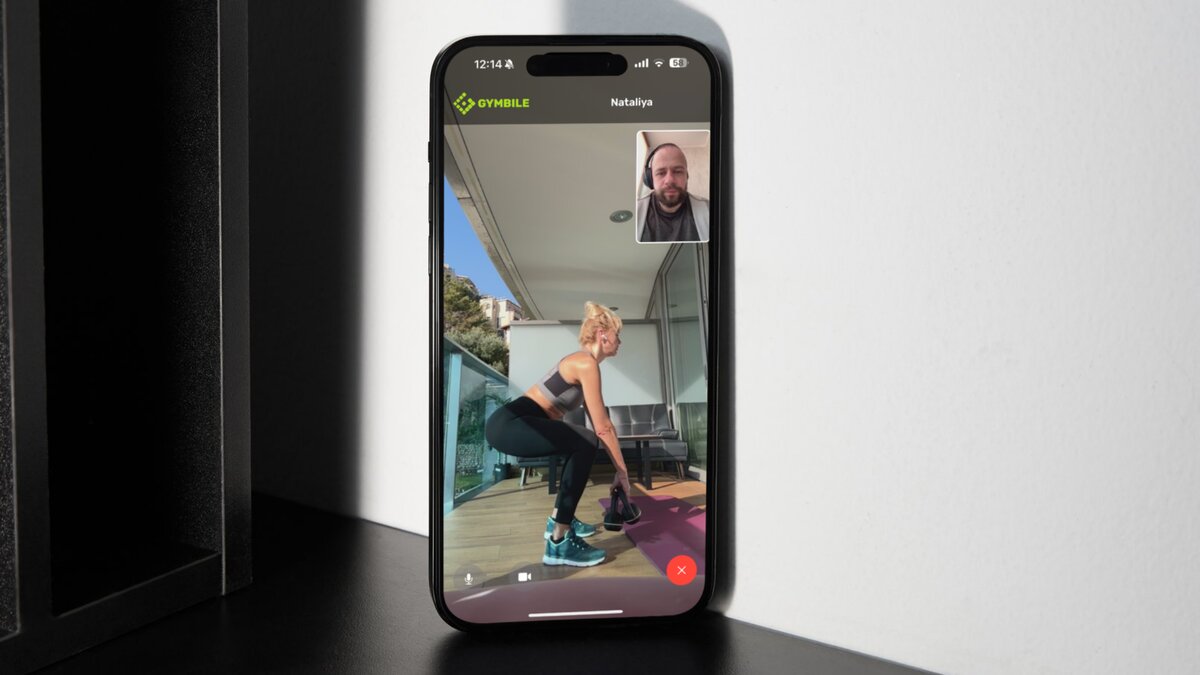
Not long ago, working out meant going somewhere: a gym, a studio, or a park to meet your trainer. Today, that geography is becoming optional. Whether through live-streamed classes, coaching apps, or video calls with personal trainers, more people are building serious fitness habits from their living rooms, hotel rooms, and wherever else life takes them.
This shift accelerated during the pandemic, but it hasn't reversed. Clinical exercise guidelines now actively recommend remote technology for home-based fitness programs, citing real barriers that digital tools can overcome: scheduling conflicts, travel time, and the simple friction of getting out the door. Digital fitness isn't a workaround for when you can't make it to the gym, it's becoming a legitimate training approach in its own right.
Which raises the obvious question: can a screen-based workout actually work as well as the real thing?
The emerging research says yes, and in some specific measures, it says even better.
What the Research Actually Found
In 2025, a comprehensive review of 29 studies examined the impact of various remote exercise programs on participants' health. Many participants had chronic health conditions, including COPD, a lung disease that makes sustained physical exertion genuinely difficult, making them an especially meaningful test case. If remote programs produce measurable gains for people with real physical limitations, the implications for healthier populations are hard to dismiss.
The findings were notable. Digital exercise interventions produced significant improvements across three key areas: cardiorespiratory fitness, daily physical activity levels, and health-related quality of life. In several comparisons, remote programs matched or outperformed traditional in-person care.
The review compared different types of technology, and the results varied in interesting ways. Participants using wearable devices combined with structured exercise plans achieved the greatest gains in endurance, walking farther in the standard six-minute walking test than those in conventional rehabilitation or standard care. That's a meaningful benchmark, since in-person rehab is typically considered the gold standard.
Online self-management programs — interactive web or app-based tools that track activity and provide education — led to significantly more daily active minutes compared to control groups. Having a program to check in with, it turns out, nudges people to actually move.
Dedicated exercise apps showed the largest improvements in quality of life scores. Not just physical metrics but also how people felt about their health overall.
The combination of convenience, personal control, and visible progress tracking appears to contribute to a sense of wellbeing that goes beyond the workout itself.
The Motivation Question: Why Human Support Still Matters
Even with effective technology, the stickiest problem in any fitness program is showing up consistently.
A 2023 study on remote coaching adherence found a stark gap between formats. Participants given only self-guided online materials completed roughly 22% of their recommended workouts. Those who received real-time feedback from a trainer through an app, including wearable data review and personalized adjustments, exceeded their targets, completing an average of 113% of recommended sessions.
The difference isn't marginal.
A separate study comparing remote workout formats for young adults found that live instructor-led sessions had 93% adherence, on-demand video workouts came in at 86%, and static written programs trailed at 74%. The pattern is consistent: the more human interaction and real-time feedback built into a program, the better people follow through.
Technology works best as an enabler of human connection, not a substitute for it. A well-timed app reminder, a trainer noting your progress in a chat message, or a live class where someone acknowledges your effort — these small moments of accountability have an outsized effect on whether the program actually gets done.
The practical takeaway: don't use remote fitness as an excuse to go fully solo. Use the tools, but stay connected.
For Clients: Setting Yourself Up for Success Client
If you're working out remotely, or considering it, a few things consistently show up in the research as differentiators between programs that work and programs that quietly fade out.
Take goal-setting seriously. The top-performing programs in research included explicit goal-setting: specific targets, regular check-ins, and progress reviews. Knowing exactly what you're working toward creates structure that's harder to rationalise away on a tired Tuesday morning.
Engage with your trainer. If your program includes a human coach, that relationship is one of your most valuable assets. Ask questions between sessions. Share what's working and what isn't. Attend live sessions when offered. The adherence data is consistent: people who have regular interaction with an instructor consistently perform better.
Remember that remote doesn't mean impersonal. A quick check-in message, feedback on a logged workout, or a note from your coach on a milestone creates real connection across a screen. That sense of being seen matters for motivation.
Be the authority on your own body. One of the greatest advantages of working out remotely is that you control your environment. Adjust intensity as needed, track what feels right, and approach the program as a long-term habit rather than a short-term sprint. Good remote trainers will adapt the program as your fitness evolves — that feedback loop is how sustainable progress happens.
For Trainers: What This Means for Online Coaching Trainer
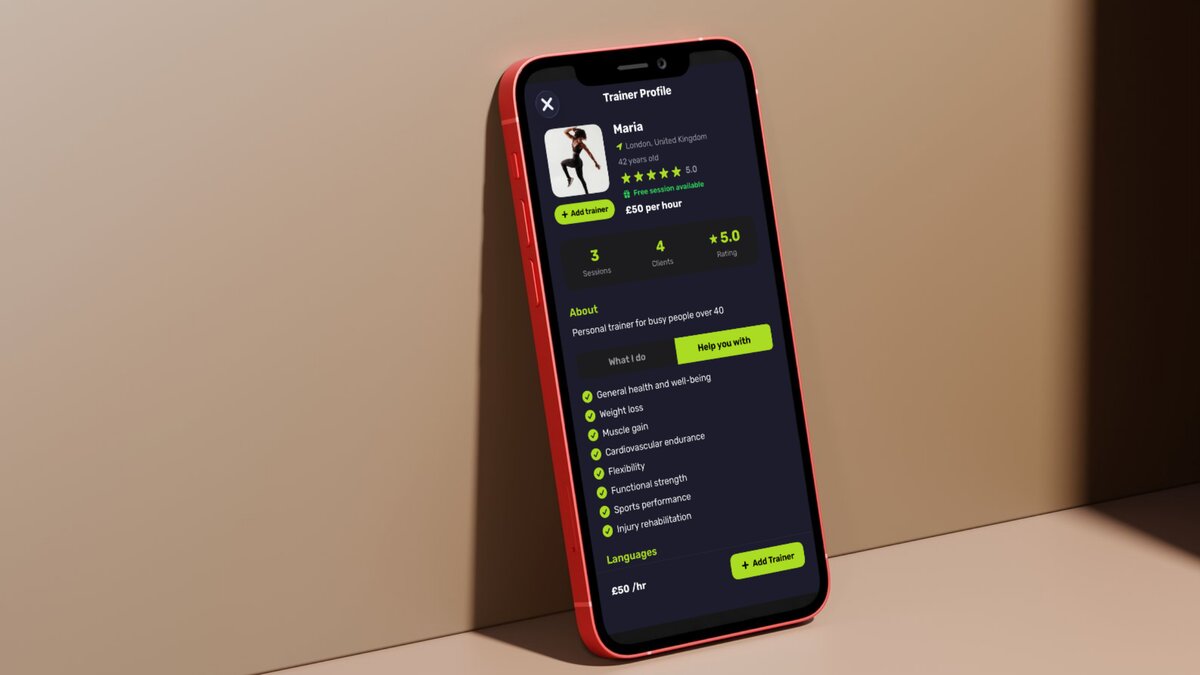
For fitness professionals, the research on remote coaching is genuinely encouraging. The question is no longer whether online training can be effective and convenient but how to design programs that consistently deliver on that potential.
Integrate wearable data where possible. The strongest endurance gains in the 2025 review came from programs combining structured exercise with device-based tracking. Asking clients to share step counts, heart rate data, or active minutes gives you the ongoing visibility that used to require being in the same room.
Make interaction a structural feature, not an afterthought. Live sessions outperform static content in adherence studies. A 30-minute video session carries different motivational weight than a PDF workout plan. If your current model relies heavily on pre-recorded content, consider where live or real-time elements can be added.
Use behavioural coaching techniques. The programs with the strongest outcomes didn't just assign exercises — they set specific goals with clients, used motivational interviewing to surface and address barriers, and explained the reasoning behind the program design. When clients understand the why behind their training, their engagement changes.
Think beyond geography. Remote training removes the ceiling on your client base. Specialising in a niche like postpartum fitness, strength training for older adults, sport-specific conditioning, becomes viable when location isn't a constraint. The evidence suggests well-designed digital programs work across a wide range of populations, which opens possibilities that purely local practices can't access.
How Gymbile Fits Into This Picture
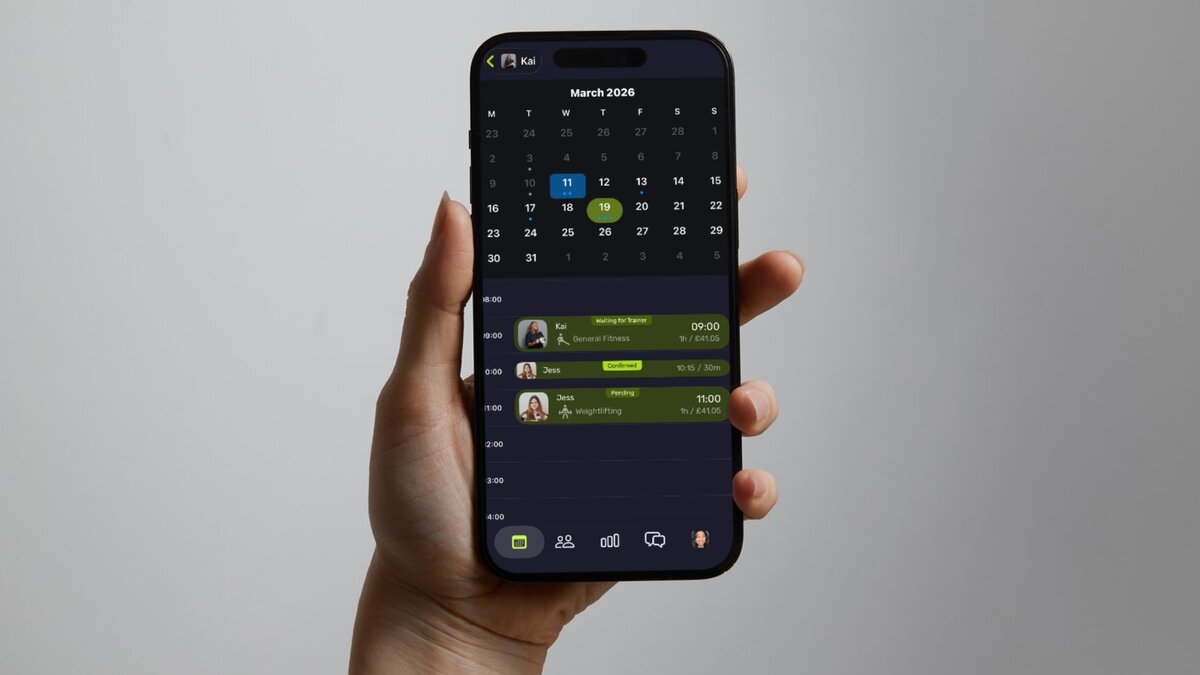
Gymbile is a mobile app built to connect personal trainers and clients for remote fitness programs and create a sustainable, enjoyable fitness journey — so clients can enjoy their progress, and trainers can build predictable, stable revenue. The platform was designed around a core belief that the research supports: effective remote training requires real human coaching, not just automated content delivery.
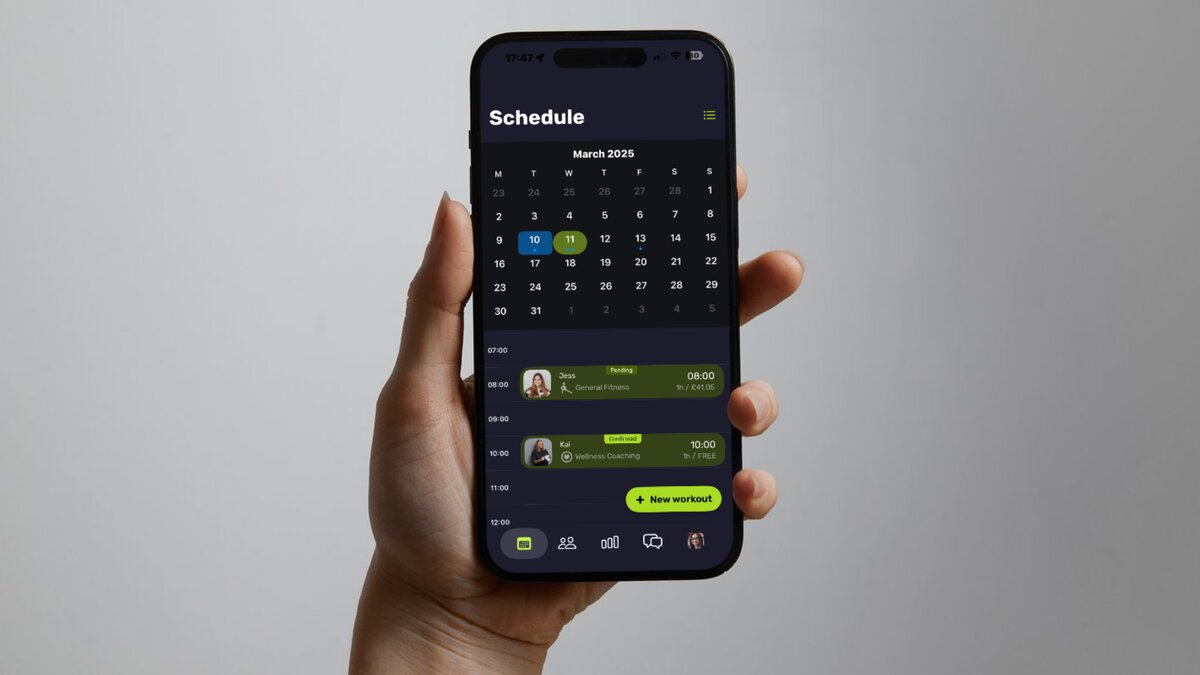
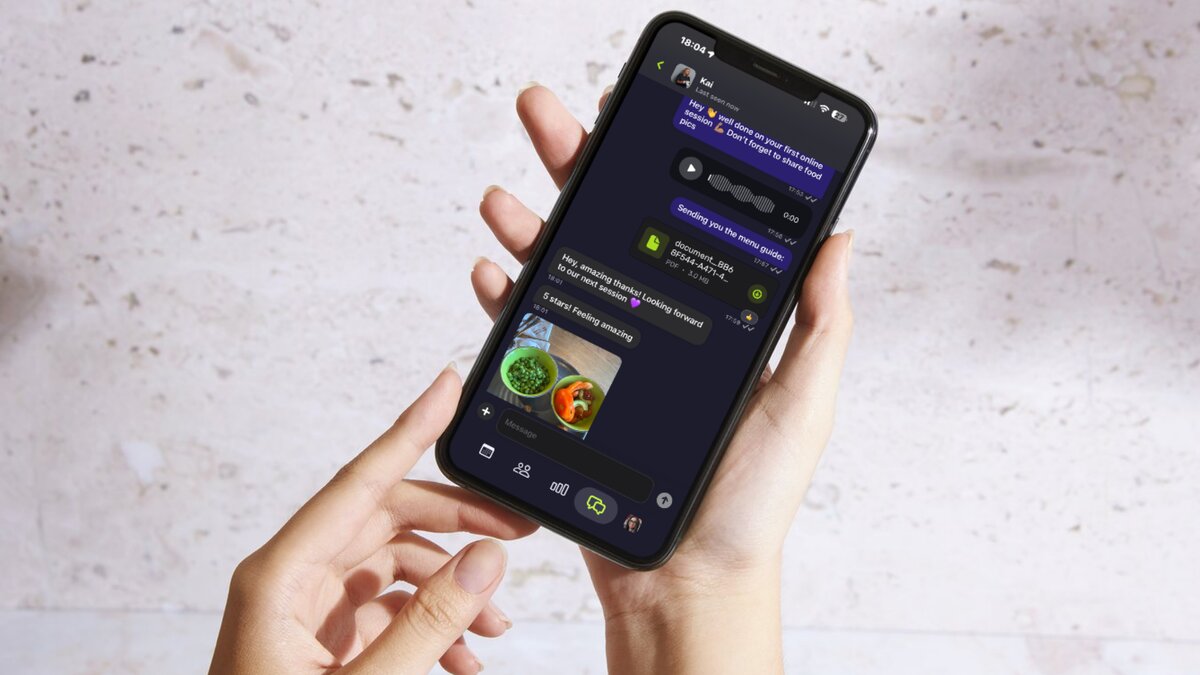
In practice, this means clients work with actual trainers who build customised journeys and programs, provide ongoing feedback, and stay connected through the app's messaging features. Gymbile helps automate scheduling, track client progress, send smart reminders and maintain the kind of regular contact that adherence research consistently identifies as a key factor in outcomes.
The app also supports progress tracking and educational content: trainers can share technique guidance, context for program design, or practical notes on recovery and nutrition. The goal is a remote coaching experience that feels complete.
For clients who've wondered whether online training can match working with someone in person — the science suggests it can. For trainers looking to build or expand a remote practice: the infrastructure to do it well exists — Gymbile is designed to be part of that.
What This Adds Up To
Remote fitness has moved well past the experimental stage. It improves endurance, increases daily physical activity, and enhances quality of life, and it does so even in populations where exercise is genuinely challenging. The format works best when good technology combines with consistent human support, and there's now substantive data on what that looks like in practice.
Whether you're building a sustainable training habit or expanding how you coach clients, the question worth asking isn't whether remote fitness works. It's whether your current approach is set up to take full advantage of what makes it work best.
Sources: Tang et al. (2025), systematic review of remote exercise interventions; Hesketh et al. (2023), adherence in digitally supported home exercise programs. Statistics reflect findings from peer-reviewed research.
Share this article
In this article
Tags
⚡ For Trainers
Start taking live sessions — with zero monthly fees.
- ✓ Set your own rates
- ✓ Clients book & pay instantly
- ✓ £0 platform subscription
- ✓ 100+ countries
No credit card required to get started.
Become a Trainer →Tags
⚡ For Trainers
Start taking live sessions — with zero monthly fees.
- ✓ Set your own rates
- ✓ Clients book & pay instantly
- ✓ £0 platform subscription
- ✓ 100+ countries
No credit card required to get started.
Become a Trainer →Keep Reading
 Rehabilitation
Your GP just cleared you for exercise. That doesn't mean you're ready.
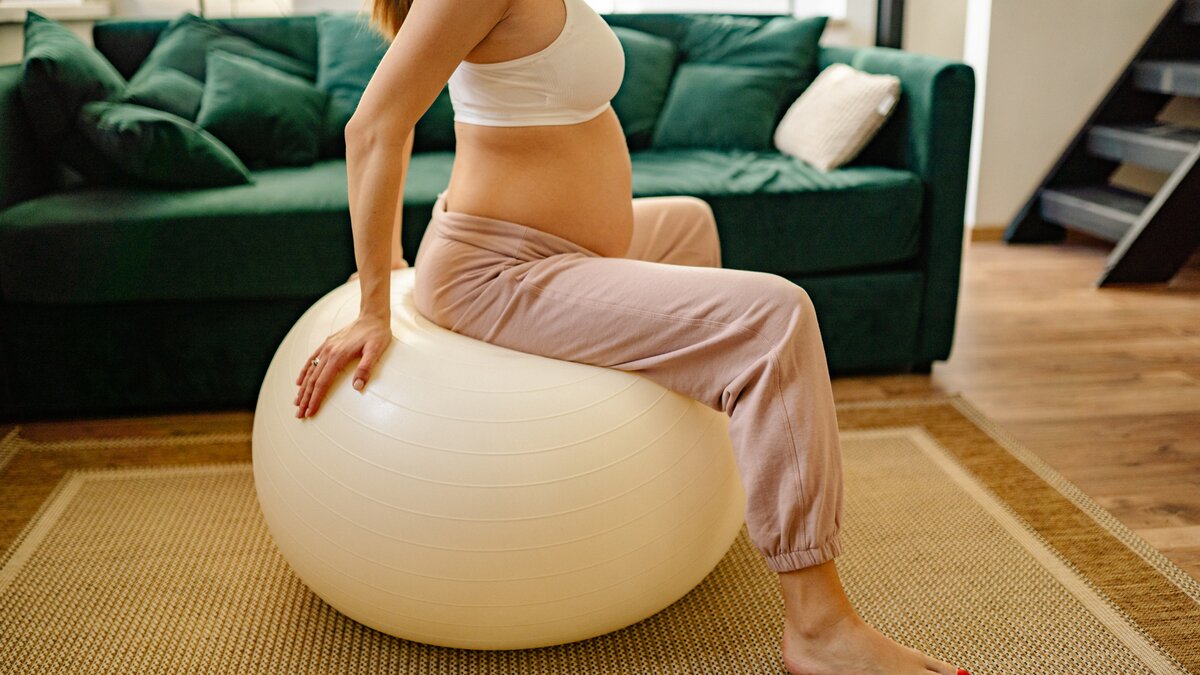
Returning to exercise after birth? Here is how to do it right.
 Training Tips
You've Been Paying For A Gym You Don't Need
The gym is optional. Here's what actually drives fat loss.
 Training Tips
How Long Does It Take to See Results From a Personal Trainer?
Realistic timelines for strength, muscle, fat loss — and what slows you down.
Comments
Be the first to join the conversation
Sign in to share your thoughts on this article.
Sign in to comment